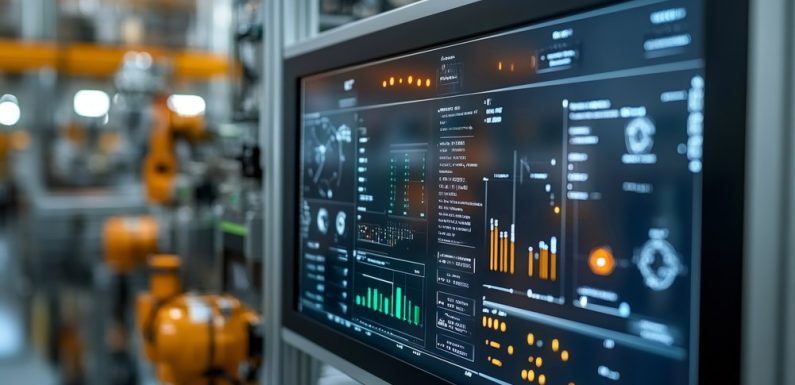
A bearing heats up at 3 AM. Nobody’s around to notice. By 7 AM, it seizes completely. It brings the entire production line to a halt. Workers stand idle. Orders pile up. The plant manager’s blood pressure spikes. This scenario played out countless times before modern monitoring arrived to change the game.
The Old Way Versus the New Reality
Walk through any factory twenty years ago. You’d see maintenance crews making rounds with clipboards. They checked oil levels here, temperature readings there. Good crews caught plenty of problems. But machines don’t schedule their failures around inspection times.
Today’s sensors never sleep. A motor bearing creeps two degrees above normal? The system notices. Vibration increases by a fraction? Logged and analyzed. These tiny changes mean nothing in isolation. Together, they paint a picture of equipment health that no clipboard could capture.
Strangely, some companies still run things the old way. They pay for breakdown after breakdown. They treat each crisis as unavoidable bad luck. Down the street, their competitor prevents those same failures weeks in advance. One business scrambles while the other hums along. The technology gap has become a profit gap.
Building Blocks of Smart Monitoring
Setting up real-time monitoring isn’t rocket science anymore. You stick sensors where problems typically develop. You connect them to a network. Software does the heavy lifting from there. Networks move the data where it needs to go. Sometimes that’s Wi-Fi bouncing signals around the shop floor. Other times, it’s cellular connections reaching remote pump stations. At its core, “edge computing” means handling data locally, right where it originates.
The software side has exploded with options. Some platforms focus on specific industries. Others handle anything you throw at them. The good ones learn your equipment’s personality over time. That compressor always runs hot on humid days? The system learns to expect it. The conveyor that needs adjustment after every thousand cycles? It’ll remind you before problems start.
Practical Applications That Deliver Results
Bakeries can’t afford temperature swings. A few degrees either way ruins entire batches. Real-time monitoring keeps ovens consistent, coolers cold, and proofing rooms perfect. One ruined batch costs more than months of sensor subscriptions.
Companies like Blues IoT show how IoT energy solutions pull double duty in manufacturing settings. Their systems track machine performance and power consumption simultaneously, helping facilities prevent failures while cutting electricity bills. Smart operators love getting two benefits from one investment.
Precision is crucial for chemical plants. All parameters must remain within strict limits. Real-time monitoring enables immediate deviation detection. Operators adjust processes before batches go bad. Safety improves because dangerous conditions trigger immediate alerts. Insurance companies offer better rates to facilities with comprehensive monitoring.
The Human Element in Automated Systems
Machines generate data. People generate solutions. Your maintenance veteran who fixes equipment by sound alone? Give him vibration data, and he’ll spot problems even sooner. The young technician who grew up with smartphones? She’ll navigate monitoring dashboards like second nature.
Employees sometimes worry about technology replacing them. The reverse occurs. The ability to prevent issues, not just resolve them, increases a technician’s value. Operators with expertise in both equipment and data are invaluable. Investing in employee training and new tech accelerates company growth.
Trust takes time to build. Initially, when sensors accurately predict failures, people take notice. Even doubters will be convinced after months with no malfunctions. Success stories spread through break rooms and shift meetings. Culture moves from reactive panic to proactive confidence.
Conclusion
Reliability and real-time intelligence have transformed maintenance. Random breakdowns now become predictable and preventable. Companies using this technology experience smoother operations. They experience better customer retention and reduced repair bills. Tools are available, costs are falling, and implementation is easier annually.